War is hell; but sometimes it seems to be the only way to confront aggression.
The Iran–Iraq War was imposed on Iran in 1980 and lasted for eight years. Military personnel and civilian volunteers moved toward the front.
I was nineteen years old the day I entered Abadan. There was war—war everywhere. The earth smelled of blood. Enemy bullets and mortar shrapnel took our friends from us, one after another. The trenches and earthen embankments were filled with stories, legends, and a profound love of homeland.
The South would remain forever a witness to love and separation.
Thirty-four years ago, I left my country to continue my education and begin a new life. I lost touch with my friends. Rainy, cloudy days gradually veiled the many images engraved in my mind. The silence and coldness of that landscape became an endless portrait of autumn—an autumn that remained colorful throughout my youth.
Now I am fifty-six, and I have returned home.
The war had ended many years before, and so much had changed. I found my father’s house, my street, and my city; yet I still thought about the part of myself I had left behind on this land.
To revisit the memories of those days, I traveled to places that still bore the scars of war. The heat of the South burned my face. Despite the passage of time, the traces left upon those cities remained powerful.
The old, the young, and the children were all still there.
I walked among them like a stranger. And yet these deserted lands felt familiar: the broken palm trees, the reeds, and the scorching sun. They met my gaze like a silent greeting, gently swaying in the wind and calling me back to them.
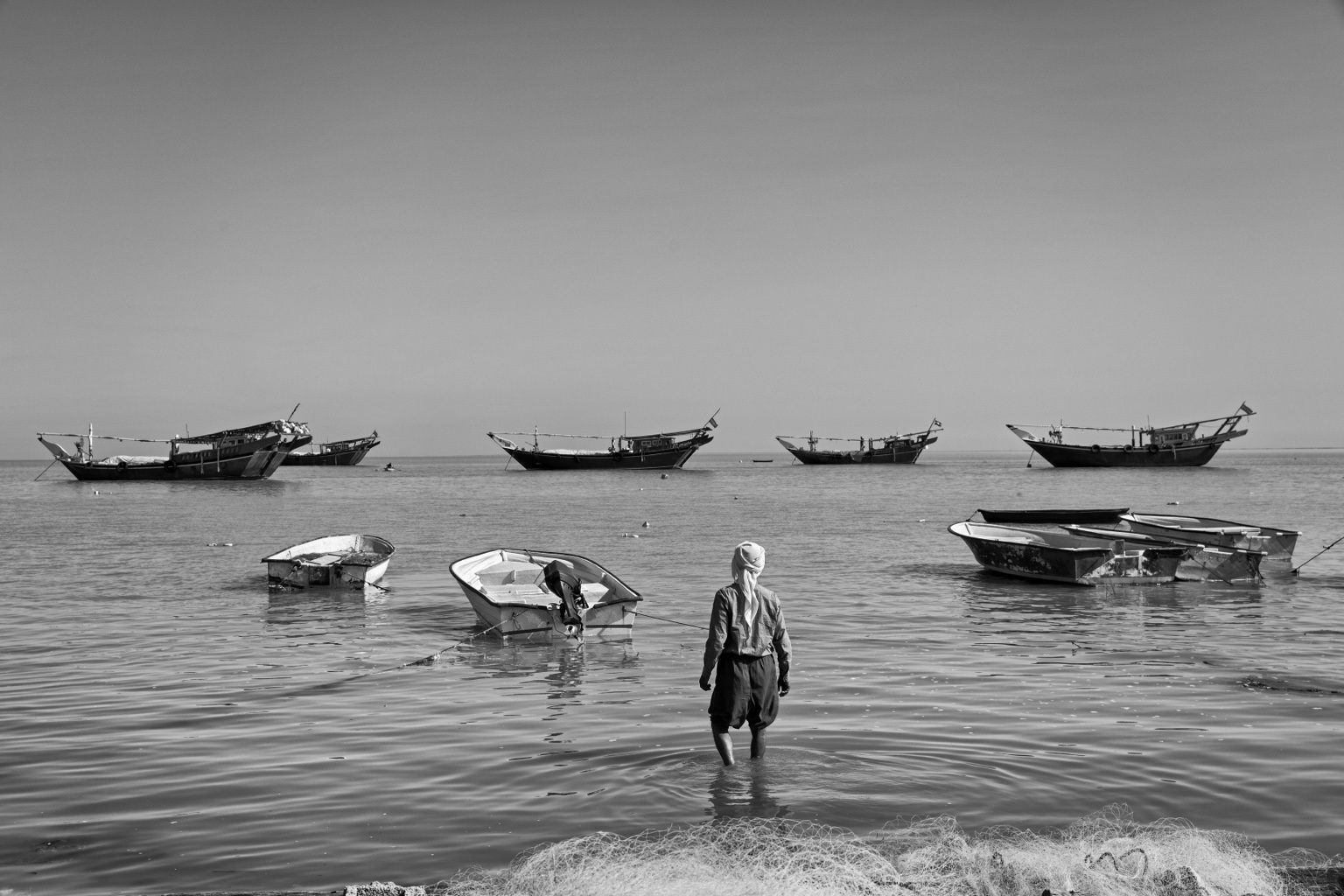
I am a photographer, and my memories of those days remain vivid. Everywhere I went, I made photographs: of the embankments; of rusted fragments of metal left in collapsed trenches; and of the traces of people like me, who once belonged to these places but are no longer among us.
I photographed my memories, perhaps so that something of what I had left behind in the South of my country would remain.